How to Prepare for a Remote Job Interview in 2026
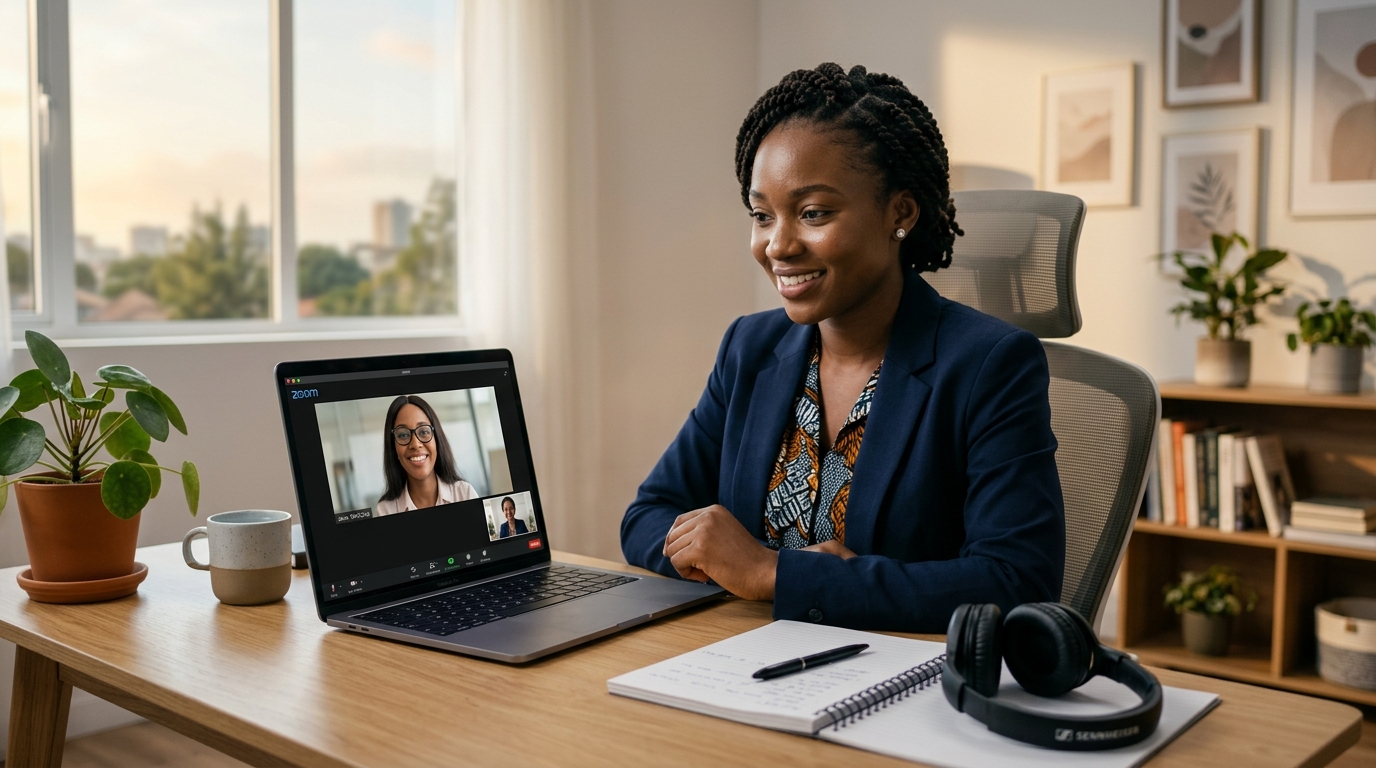
Remote work has completely changed the hiring process.
Today, many companies conduct interviews entirely online sometimes without candidates ever stepping into a physical office. Whether you’re applying for a remote tech role, customer support position, virtual assistant job, or international opportunity, knowing how to handle a remote job interview properly can give you a major advantage.
The challenge is that virtual interviews are different from traditional face-to-face interviews.
In a remote interview, recruiters pay attention to things many candidates ignore:
- Communication style
- Internet stability
- Camera confidence
- Remote work readiness
- Self-management skills
- Technical setup
- Professionalism online
And unfortunately, many qualified candidates still lose opportunities because they were poorly prepared for the virtual interview environment.
In this guide, you’ll learn:
- How to prepare for a remote job interview
- Technical setup tips
- Zoom interview tips
- Common remote interview questions
- Body language advice
- Communication expectations
- Follow-up etiquette
- Common mistakes candidates make
- A complete remote interview checklist
Whether you’re interviewing for a local remote role or an international company, these tips can help you stand out professionally in 2026.
Why Remote Interviews Are Different
A remote interview is not just a normal interview happening online.
Recruiters are also evaluating whether you can function effectively in a remote work environment.
They want to know:
- Can you communicate clearly online?
- Are you organized?
- Can you work independently?
- Do you handle technical tools comfortably?
- Are you professional during virtual meetings?
Sometimes, your interview behavior matters just as much as your technical qualifications.
Step 1: Prepare Your Technical Setup
One of the fastest ways to ruin a remote job interview is poor technical preparation.
Even highly skilled candidates can appear unprofessional if their setup is distracting or unreliable.
Internet Connection
A stable internet connection is critical.
If possible:
- Use strong Wi-Fi
- Test your internet beforehand
- Have backup data available
- Move closer to your router if necessary
If your network is unstable, recruiters may worry about your reliability during remote work.
Camera Quality
You do not need an expensive camera, but your video should look clear and professional.
Tips
- Clean your camera lens
- Position the camera at eye level
- Avoid shaky positioning
- Use proper lighting
Natural lighting near a window often works surprisingly well.
Audio Quality
Poor audio is one of the most frustrating parts of virtual interviews.
Best Practices
- Use earphones or headphones if possible
- Reduce background noise
- Test your microphone before the interview
- Avoid noisy environments
Recruiters should hear you clearly without echoes or distractions.
Background Setup
Your background should look clean and professional.
Avoid:
- Messy rooms
- Loud environments
- Distracting movement behind you
A simple wall or tidy workspace works perfectly.
Test the Interview Platform
Don’t wait until interview time to figure out how Zoom or Google Meet works.
Test:
- Camera
- Audio
- Screen sharing
- Login process
This is especially important for technical interviews or remote tech jobs.
Step 2: Research the Company Properly
A lot of candidates skip this step and immediately stand out negatively.
Before your remote interview, research:
- The company
- Their products or services
- Their mission
- Their culture
- The role itself
Check:
- Company website
- Recent news
- Employee profiles
This helps you answer questions more confidently and ask smarter questions during the interview.
Step 3: Practice Common Remote Interview Questions
Many remote work interview questions focus on communication, independence, and collaboration.
Here are some common questions recruiters ask.
Common Remote Interview Questions
“Why do you want to work remotely?”
Employers want to know if you genuinely understand remote work or just want comfort and flexibility.
Good answers usually mention:
- Productivity
- Focus
- Flexibility
- Collaboration tools
- Work-life balance
“How do you stay productive while working remotely?”
Recruiters want evidence that you can manage yourself without supervision.
You can mention:
- Task management tools
- Time blocking
- Daily planning
- Clear routines
“How do you communicate with remote teams?”
This question evaluates your collaboration skills.
Mention tools like:
- Slack
- Zoom
- Google Meet
- Notion
- Trello
And emphasize:
- Clear communication
- Timely updates
- Responsiveness
“Tell us about a challenge you solved independently.”
Remote employers value self-sufficient problem-solvers.
Use real examples whenever possible.
“How do you handle distractions while working from home?”
Be honest but professional.
Show that you have systems in place to remain focused and organized.
Behavioral Interview Tips
Behavioral questions are extremely common in remote interviews.
These questions usually start with:
- “Tell me about a time when…”
- “Describe a situation where…”
- “Give an example of…”
Recruiters use these questions to understand how you behave in real work situations.
Use the STAR Method
A simple way to answer behavioral questions is the STAR method.
S — Situation
Explain the context.
T — Task
Describe your responsibility.
A — Action
Explain what you did.
R — Result
Share the outcome.
Example
Question:
“Tell me about a time you handled a difficult situation.”
Strong Answer Structure:
- Explain the challenge briefly
- Describe the steps you took
- End with a positive result
Structured answers sound more professional and easier to follow.
Communication Expectations in Remote Interviews
Communication matters even more in remote work than in traditional office jobs.
Since teams collaborate online daily, recruiters look for candidates who communicate clearly and professionally.
What Recruiters Expect
Clear Speaking
Avoid speaking too fast or mumbling.
Speak confidently and clearly.
Active Listening
Don’t interrupt the interviewer.
Pause briefly before responding.
Concise Answers
Long, confusing answers can hurt your interview performance.
Try to stay clear and direct.
Professional Tone
Be conversational, but professional.
Remote interviews are usually more relaxed than formal office interviews, but professionalism still matters.
Body Language Tips for Virtual Interviews
Even online, body language still affects how recruiters perceive you.
Maintain Eye Contact
Look into the camera occasionally instead of only staring at yourself on screen.
This creates better virtual eye contact.
Sit Properly
Avoid:
- Slouching
- Leaning too far back
- Looking distracted
Good posture improves your confidence and appearance.
Use Natural Facial Expressions
You don’t need to force smiles constantly, but appearing engaged and approachable helps.
Avoid Distracting Movements
Try not to:
- Shake your legs
- Touch your face repeatedly
- Constantly look away
- Type loudly during the interview
Zoom Interview Tips That Actually Help
Zoom interviews are now extremely common for remote hiring.
Here are a few simple but effective Zoom interview tips.
Join Early
Aim to join 5–10 minutes early.
This gives you time to fix technical issues calmly.
Rename Your Profile Properly
Use your real name professionally.
Example:
- David Johnson
Not:
- iPhone User
- KingDave123
Close Unnecessary Apps
Too many open apps can slow down your device or create distractions.
Mute Notifications
Disable:
- WhatsApp popups
- Email sounds
- Phone notifications
Unexpected alerts can break concentration.
Keep Notes Nearby
You can keep short notes nearby, but avoid obviously reading scripted answers.
Common Mistakes Candidates Make
A lot of remote interview mistakes are surprisingly avoidable.
Poor Internet Preparation
Nothing destroys momentum faster than constant disconnections.
Always prepare backup internet if possible.
Looking Unprepared
Some candidates enter interviews without researching the company or role.
Recruiters notice immediately.
Talking Too Much
Long answers can make you sound unfocused.
Keep responses structured and concise.
Poor Lighting
Dark lighting makes interviews feel less professional.
Face a light source whenever possible.
Ignoring Professional Appearance
Even remote interviews require proper appearance.
You don’t need a full suit for every interview, but dressing neatly matters.
Follow-Up Etiquette After the Interview
What you do after the interview also matters.
Many candidates disappear immediately after the call ends.
Professional follow-up can leave a strong impression.
Send a Thank-You Message
Within 24 hours, send a short thank-you email or message.
Keep it simple:
- Thank them for their time
- Reaffirm your interest
- Mention something discussed during the interview
Don’t Spam Recruiters
Following up is good.
Sending repeated messages every day is not.
Reflect on Your Performance
After every interview, ask yourself:
- What went well?
- What questions challenged me?
- What can I improve?
Every interview helps you improve for the next one.
Remote Interview Checklist
Use this checklist before every remote interview.
Technical Setup
- Stable internet connection
- Charged laptop
- Working microphone
- Camera tested
- Backup data available
Environment
- Quiet room
- Clean background
- Proper lighting
- Minimal distractions
Preparation
- Research company
- Review job description
- Practice interview questions
- Prepare portfolio or projects
Appearance
- Dress professionally
- Sit properly
- Maintain eye contact
- Stay calm and confident
After the Interview
- Send thank-you message
- Reflect on performance
- Follow up professionally if needed
Tips for Remote Tech Interviews
Technical interviews often require extra preparation.
You may be asked to:
- Share your screen
- Solve coding problems live
- Explain projects
- Walk through your portfolio
Prepare by:
- Reviewing fundamentals
- Practicing coding challenges
- Cleaning up GitHub projects
- Testing screen sharing beforehand
The Future of Remote Hiring in 2026
Remote hiring continues growing globally.
More companies now hire internationally, meaning candidates are competing worldwide not just locally.
That means communication, professionalism, and online presence matter more than ever.
Candidates who can:
- Communicate clearly
- Work independently
- Collaborate remotely
- Present themselves professionally online
will continue standing out in the global job market.
FAQs About Remote Job Interviews
How do I prepare for a remote interview?
Prepare your technical setup, research the company, practice common interview questions, and create a quiet professional environment.
What should I wear to a Zoom interview?
Dress professionally based on the company culture. Even for remote roles, neat appearance matters.
What do employers look for in remote interviews?
They evaluate:
- Communication
- Professionalism
- Technical readiness
- Independence
- Collaboration skills
How early should I join a remote interview?
Joining 5–10 minutes early is usually ideal.
Are remote interviews harder than physical interviews?
They can feel different because communication and technical setup play a larger role, but preparation makes a huge difference.
Conclusion
Remote interviews are now a normal part of modern hiring, especially for international and work-from-home opportunities.
The candidates who stand out are not always the most experienced — often, they are simply the most prepared.
A strong remote interview comes down to:
- Clear communication
- Professional behavior
- Good technical setup
- Confidence
- Preparation
The more you practice virtual interview skills, the more comfortable and confident you’ll become.
And in 2026, that skill alone can open doors to opportunities worldwide.
What did you think about this article?
Share your feedback with a quick reaction